
:max_bytes(150000):strip_icc():format(jpeg)/GettyImages-2229139573-b9e9a13d5c314fe98f6de0f6dd6a6845.jpg)
Key Takeaways
- This year’s cohort of new issues are popping on their first trading day, with some closing at more than double their IPO prices.
- Well-received IPOs tend to spawn other pops, University of Florida business professor Jay Ritter says.
- The median first-day performance of U.S. IPOs that raised $100 million or more was about 19% so far this year, the highest since 2020, according to Renaissance Capital.
Pent-up demand for initial public offerings is putting the shine in 2025’s newest stocks.
The median first-day performance of US IPOs—those that raised at least $100 million—was about 19% so far this year, the highest since 2020’s median of 33%, according to Renaissance Capital, a provider of pre-IPO research and related ETFs. The firm’s index of larger new listings that have been public for less than three years, tracked by the US IPO ETF (IPO), was up 12% through the Friday’s close, ahead of the S&P 500’s 8.6% gain.
Firefly Aerospace (FLY), WhiteFiber (WYFI), and HeartFlow (HTFL), which priced last week, were included in those figures.
Hot first-day performance can effect subsequent deals in what University of Florida business professor Jay Ritter calls a “spillover” effect. Companies waiting in the wings to go public could bask in the afterglow of NewsMax (NMAX), FatPipe (FATN), Circle Internet Group (CRCL), AIRO Group Holdings (AIRO) and Figma (FIG), all of which doubled their IPO prices, or better, over their respective trading debuts.
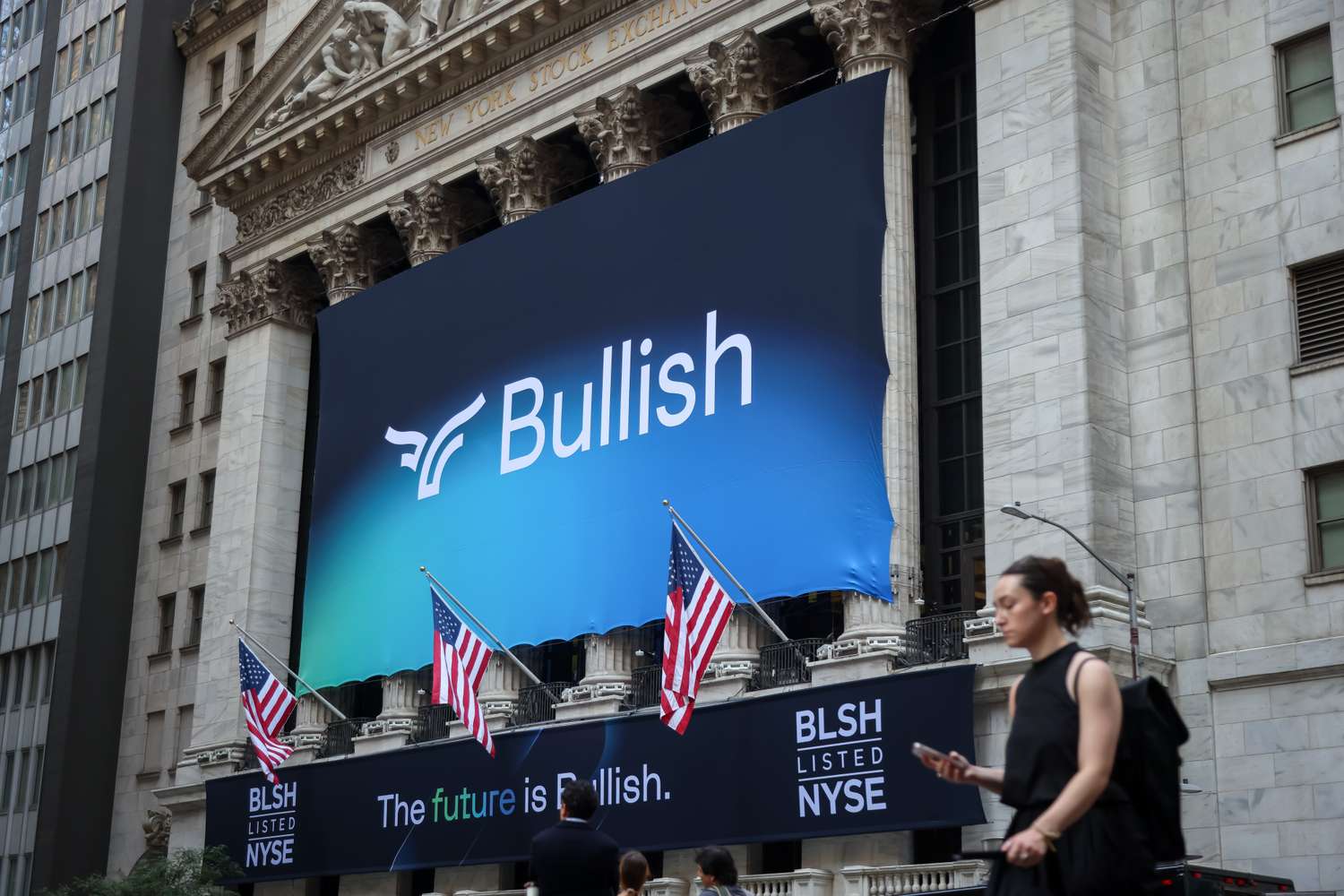
More IPOs are on the way. Crypto exchange and CoinDesk owner Bullish is set to debut today under the ticker “BLSH.” Tickets provider StubHub, which delayed its IPO plans following Liberation Day stock volatility, is reportedly kicking off its roadshow after Labor Day and will make its public debut in late September.
There is no crystal ball for how well a new stock will do, but the ones that tend to outperform have things in common. “The vast majority of those with big run-ups are venture-capital backed. Lots are tech stocks. They’re hard to value,” Ritter told Investopedia, citing examples like Netscape in 1995 or Airbnb (ABNB) in 2020.
Of the top 10 VC exits via US IPOs in value terms, which include Figma (FIG), Chime Financial (CHYM), and Circle (CRCL), according to PitchBook data, only one didn’t pop on Day 1: CoreWeave (CRWV), which priced its IPO also under its marketed range. Its shares have subsequently risen almost 250% since its March debut. Figma, which went on a blistering rally as soon as it listed on July 31, has since declined about 25%.
New stocks generally experience mean reversion. “Those that double or more on the first day have average long-term returns below IPOs that had less-than-enthusiastic first-day receptions,” according to Ritter, who defines “long-term” as three years.
The issue with the companies that tend to rocket up on their trading day, is that they then have a very high price-to-sales ratio. “It’s difficult for a company to meet expectations when there’s so much optimism built into the price,” he said.